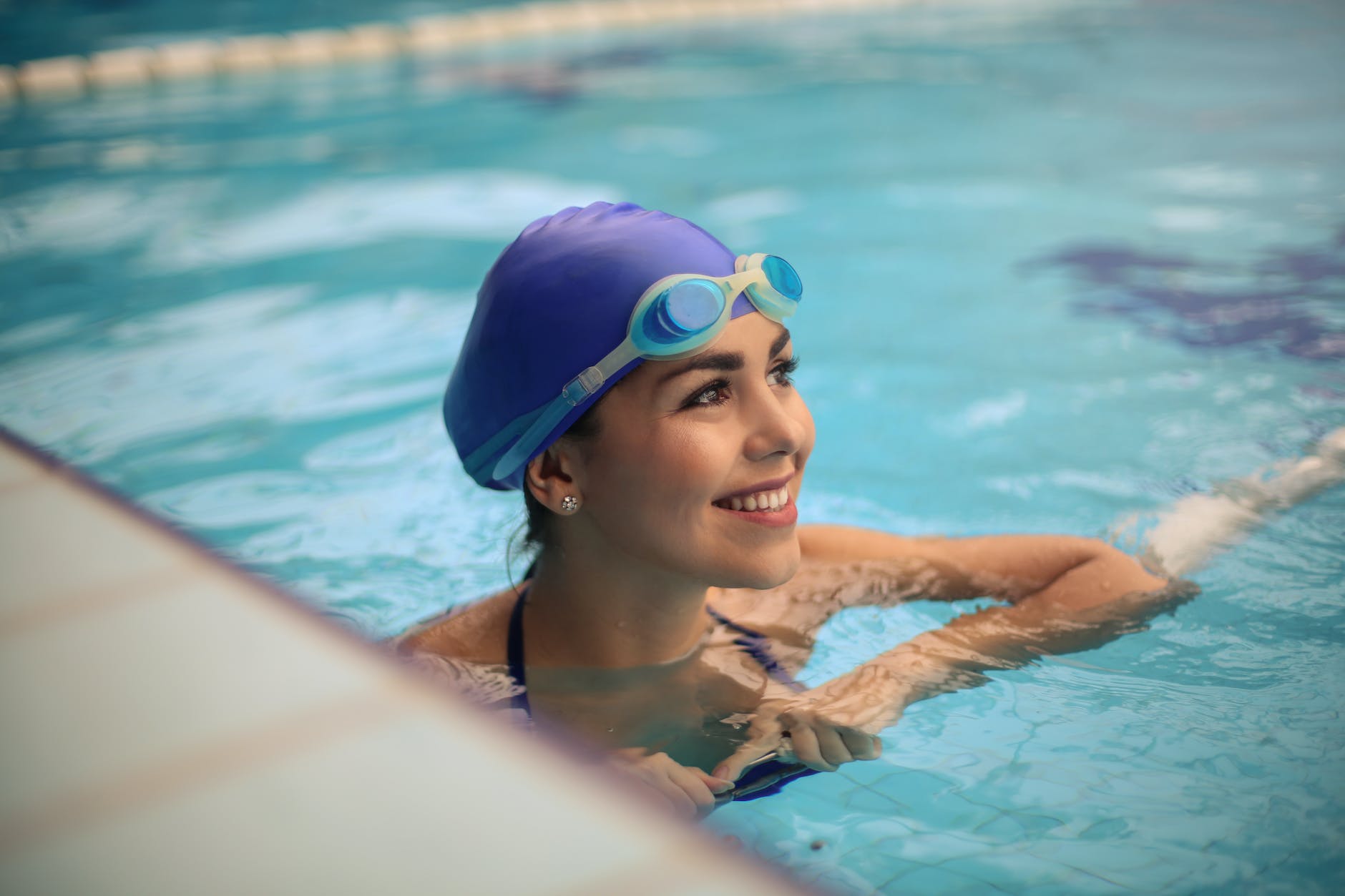
Aquatic physical therapy is a dynamic and unique approach to rehabilitation that harnesses the healing benefits of water. The buoyancy, hydrostatic pressure, and resistance provided by water can be harnessed to assist in the recovery process, offering unique advantages over traditional land-based therapy (Becker, 2009).
Buoyancy in water reduces the load on weight-bearing joints, making movement easier and less painful for individuals with conditions such as osteoarthritis, or those recovering from surgeries like joint replacements (Harrison, et al., 1992). This is particularly valuable in the early stages of recovery when weight-bearing activities may still be restricted.
Moreover, hydrostatic pressure exerted by water has been shown to reduce edema, a common issue post-injury or post-surgery. This pressure improves venous return and can help manage and reduce swelling (Masumoto, et al., 2008).
Water resistance facilitates muscle strengthening without the need for heavy weights. The water provides a gentle, yet substantial resistance, allowing patients to progress their strength while minimizing the risk of injury.
In addition, the warmth of the water in a therapy pool can help relax muscles, increase circulation, and decrease pain. This could enhance the effectiveness of stretching exercises, contributing to improved flexibility and range of motion (Cider, et al., 2006).
With these benefits, aquatic physical therapy is not just for swimmers. It’s an evidence-based approach that can benefit a diverse range of patients. As always, personalized treatment plans are the key to successful rehabilitation, and it’s crucial to discuss this therapy option with a healthcare professional.
In conclusion, the physical properties of water can be employed to create a therapeutic environment that supports the body’s natural healing process, and thus, could revolutionize rehabilitation practices.
Footnotes
- Becker, B. E. (2009). Aquatic therapy: scientific foundations and clinical rehabilitation applications. PM&R, 1(9), 859-872.
- Harrison, R. A., Hillman, M., & Bulstrode, S. (1992). Loading of the lower limb when walking partially immersed: implications for clinical practice. Physiotherapy, 78(3), 164-166.
- Masumoto, K., Mercer, J. A., & Komi, P. V. (2008). Impact of venous pump on plantar flexor muscle activity during quiet standing: aquatic versus land conditions. European Journal of Applied Physiology, 103(4), 421-428.
- Cider, A., Schaufelberger, M., Sunnerhagen, K. S., & Andersson, B. (2006). Hydrotherapy—a new approach to improve function in the older patient with chronic heart failure. European journal of heart failure, 8(3), 275-281.
 TigerKinetics Health