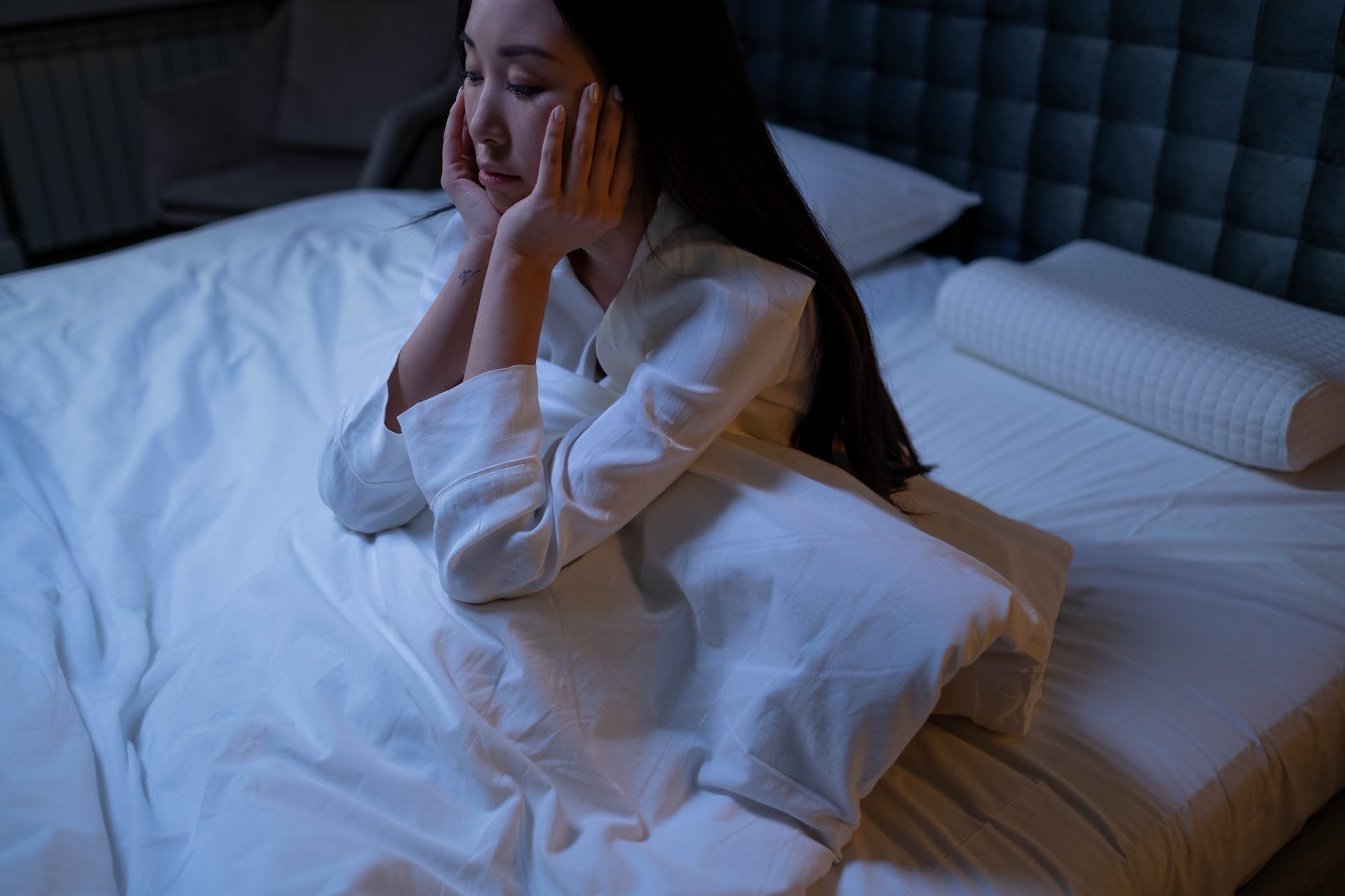
Sleeping difficulties, also known as sleep disorders, are widespread problems affecting the quality and quantity of people’s sleep. They can lead to daytime sleepiness, decreased productivity, and increased risk of accidents and several health problems. This article will discuss the different types of sleeping difficulties, their causes, effects on health, and available management strategies.
Understanding Sleep
Sleep is an essential physiological process necessary for the proper functioning of the body and brain. It involves two main stages: Non-Rapid Eye Movement (NREM) sleep and Rapid Eye Movement (REM) sleep. NREM sleep is further divided into stages N1, N2, and N3. Each stage serves a unique restorative function (Carskadon & Dement, 2011)[1].
Types of Sleeping Difficulties
Sleeping difficulties encompass a range of disorders. Some of the common ones include:
Insomnia: Insomnia is the inability to fall asleep, stay asleep, or get restful sleep despite adequate opportunity to sleep. It can be acute, occurring for a short duration, or chronic, lasting for more than three months (Morin, LeBlanc, Daley, Gregoire, & Merette, 2006)[2].
Sleep Apnea: Sleep apnea is characterized by pauses in breathing or shallow breathing during sleep. It can lead to frequent awakening at night and excessive daytime sleepiness (Young, Peppard, & Gottlieb, 2002)[3].
Restless Legs Syndrome (RLS): RLS causes an uncomfortable sensation in the legs, resulting in an irresistible urge to move them, often disrupting sleep (Allen, Picchietti, Hening, Trenkwalder, Walters, & Montplaisir, 2003)[4].
Narcolepsy: A neurological disorder causing extreme daytime sleepiness and sudden sleep attacks. It may also be accompanied by cataplexy, a sudden loss of muscle tone triggered by strong emotions (Scammell, 2003)[5].
Causes of Sleeping Difficulties
Sleeping difficulties can be caused by various factors, including medical conditions, psychiatric disorders, environmental factors, and certain behaviors.
Medical Conditions: Many medical conditions, such as asthma, heart disease, chronic pain, or neurological disorders, can disrupt sleep. Additionally, conditions like sleep apnea and restless legs syndrome are themselves medical conditions causing sleep disturbances (Roth, 2007)[6].
Psychiatric Disorders: Psychiatric disorders, such as depression, anxiety, and post-traumatic stress disorder (PTSD), often come with sleep disturbances as a common symptom (Krystal, 2012)[7].
Environmental Factors: Factors like noise, light, temperature, and an uncomfortable bed can interfere with sleep (Okamoto-Mizuno & Mizuno, 2012)[8].
Behaviors: Certain behaviors, including the use of electronic devices before bed, irregular sleep schedule, and consumption of caffeine, nicotine, and alcohol, can lead to poor sleep quality (Irish, Kline, Gunn, Buysse, & Hall, 2015)[9].
Effects of Sleeping Difficulties on Health
Chronic sleep disorders can have significant effects on physical and mental health.
Physical Health: Chronic sleep deprivation is associated with increased risk of various health problems, including cardiovascular disease, diabetes, obesity, and a weakened immune system (Cappuccio, Cooper, D’Elia, Strazzullo, & Miller, 2011)[10].
Mental Health: Poor sleep can contribute to mental health disorders, including depression, anxiety, and cognitive impairment. Additionally, chronic sleep problems can exacerbate symptoms of existing mental health disorders (Alvaro, Roberts, & Harris, 2013)[11].
Managing Sleeping Difficulties
Management of sleep disorders involves both non-pharmacological and pharmacological interventions.
Non-Pharmacological Interventions:
Cognitive-Behavioral Therapy for Insomnia (CBT-I): CBT-I is considered the first-line treatment for chronic insomnia. It includes components like cognitive therapy, sleep hygiene education, stimulus control therapy, sleep restriction therapy, and relaxation techniques (Morin et al., 2006)[2].
Sleep Hygiene: Maintaining good sleep hygiene can prevent and manage many sleep disorders. This includes maintaining a regular sleep schedule, creating a restful sleep environment, avoiding caffeine and alcohol close to bedtime, and engaging in regular physical activity (Irish et al., 2015)[9].
Relaxation Techniques: Techniques such as mindfulness, meditation, progressive muscle relaxation, and deep breathing can help reduce anxiety and promote sleep (Black, O’Reilly, Olmstead, Breen, & Irwin, 2015)[12].
Pharmacological Interventions:
Prescription Medications: Several prescription medications are available for different sleep disorders. These include hypnotics for insomnia, sedatives for RLS, and stimulants for narcolepsy (Mendelson, Roth, Cassella, Roehrs, Walsh, Woods, Buysse, Meyer, & Stahl, 2004)[13].
Over-The-Counter (OTC) Medications: OTC sleep aids typically contain antihistamines, which can cause drowsiness. They should be used sparingly and only after consulting a healthcare provider (Erland & Saxena, 2017)[14].
Conclusion
Sleeping difficulties are widespread, affecting a significant portion of the population. They can have detrimental effects on physical and mental health if left untreated. Therefore, understanding these disorders, their causes, and available treatments is crucial to manage them effectively and improve overall health and well-being.
References
[1] Carskadon, M. A., & Dement, W. C. (2011). Monitoring and staging human sleep. In Principles and Practice of Sleep Medicine (5th ed., pp. 16-26). Elsevier Saunders.
[2] Morin, C. M., LeBlanc, M., Daley, M., Gregoire, J. P., & Merette, C. (2006). Epidemiology of insomnia: prevalence, self-help treatments, consultations, and determinants of help-seeking behaviors. Sleep Medicine, 7(2), 123-130.
[3] Young, T., Peppard, P. E., & Gottlieb, D. J. (2002). Epidemiology of obstructive sleep apnea: a population health perspective. American Journal of Respiratory and Critical Care Medicine, 165(9), 1217-1239.
[4] Allen, R. P., Picchietti, D., Hening, W. A., Trenkwalder, C., Walters, A. S., & Montplaisir, J. (2003). Restless legs syndrome: diagnostic criteria, special considerations, and epidemiology. Sleep Medicine, 4(2), 101-119.
[5] Scammell, T. E. (2003). The neurobiology, diagnosis, and treatment of narcolepsy. Annals of Neurology, 53(2), 154-166.
[6] Roth, T. (2007). Insomnia: definition, prevalence, etiology, and consequences. Journal of Clinical Sleep Medicine, 3(5 Suppl), S7-10.
[7] Krystal, A. D. (2012). Psychiatric disorders and sleep. Neurologic Clinics, 30(4), 1389-1413.
[8] Okamoto-Mizuno, K., & Mizuno, K. (2012). Effects of thermal environment on sleep and circadian rhythm. Journal of Physiological Anthropology, 31(1), 14.
[9] Irish, L. A., Kline, C. E., Gunn, H. E., Buysse, D. J., & Hall, M. H. (2015). The role of sleep hygiene in promoting public health: A review of empirical evidence. Sleep Medicine Reviews, 22, 23-36.
[10] Cappuccio, F. P., Cooper, D., D’Elia, L., Strazzullo, P., & Miller, M. A. (2011). Sleep duration predicts cardiovascular outcomes: a systematic review and meta-analysis of prospective studies. European Heart Journal, 32(12), 1484-1492.
[11] Alvaro, P. K., Roberts, R. M., & Harris, J. K. (2013). A systematic review assessing bidirectionality between sleep disturbances, anxiety, and depression. Sleep, 36(7), 1059-1068.
[12] Black, D. S., O’Reilly, G. A., Olmstead, R., Breen, E. C., & Irwin, M. R. (2015). Mindfulness meditation and improvement in sleep quality and daytime impairment among older adults with sleep disturbances: a randomized clinical trial. JAMA Internal Medicine, 175(4), 494-501.
[13] Mendelson, W. B., Roth, T., Cassella, J., Roehrs, T., Walsh, J. K., Woods, J. H., Buysse, D. J., Meyer, R. E., & Stahl, S. (2004). The treatment of chronic insomnia: drug indications, chronic use and abuse liability. Summary of a 2001 New Clinical Drug Evaluation Unit meeting symposium. Sleep Medicine Reviews, 8(1), 7-17.
[14] Erland, L. A., & Saxena, P. K. (2017). Melatonin Natural Health Products and Supplements: Presence of Serotonin and Significant Variability of Melatonin Content. Journal of Clinical Sleep Medicine, 13(2), 275-281.
 TigerKinetics Health