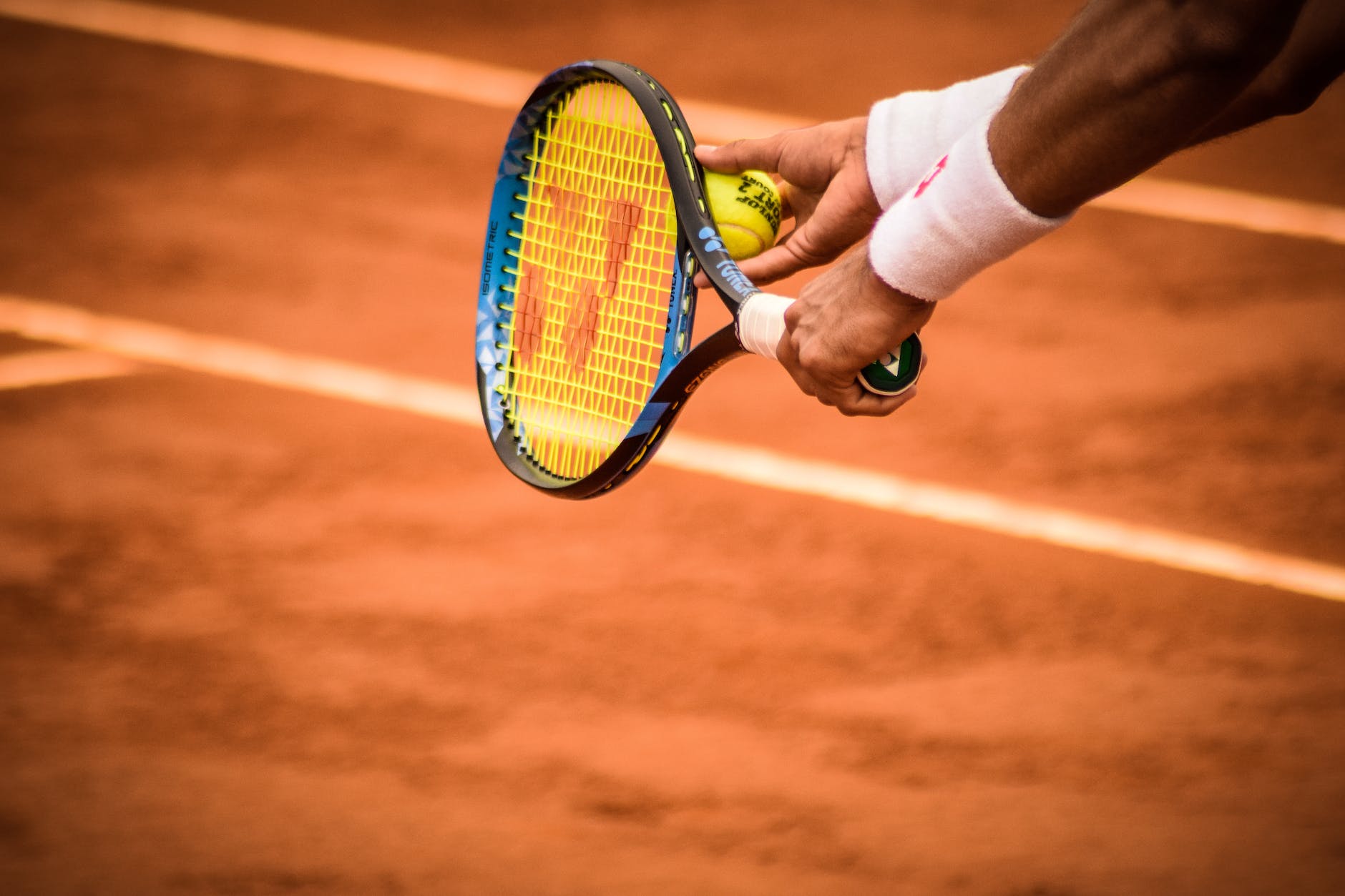
Tennis elbow, also known as lateral epicondylitis, is a painful condition that affects individuals who repetitively use their forearm muscles. It can occur from overuse in sports or occupational activities, leading to tenderness and pain in the elbow’s lateral side (Nirschl, & Ashman, 2003)[1].
Understanding Tennis Elbow
Tennis elbow arises due to the strain and overuse of the forearm muscles and tendons, leading to small tears in the tendon attached to the elbow’s lateral epicondyle (Nirschl, & Ashman, 2003)[1].
Causes of Tennis Elbow
- Age: It predominantly affects adults between 30-50 years of age (Coombes, Bisset, & Vicenzino, 2012)[2].
- Occupation: Jobs involving repetitive arm and wrist movements can increase the risk (Coombes, Bisset, & Vicenzino, 2012)[2].
- Physical Activities: Tennis players and golfers are more prone to this condition due to the repetitive use of the forearm extensor muscles (Coombes, Bisset, & Vicenzino, 2012)[2].
Symptoms of Tennis Elbow
- Pain During Activities: Pain and discomfort can be triggered by simple tasks, like lifting a cup or opening a door (Coombes, Bisset, & Vicenzino, 2012)[2].
- Weak Grip Strength: Weakness in the forearm often manifests as difficulty in gripping objects (Coombes, Bisset, & Vicenzino, 2012)[2].
Diagnosis of Tennis Elbow
Diagnosis is usually based on medical history, physical examination, and response to conservative treatments. In some cases, imaging tests like X-rays, ultrasound, or MRI scans might be used to rule out other conditions (Hamilton, 2015)[3].
Managing Tennis Elbow
- Conservative Treatments: Rest, physical therapy, nonsteroidal anti-inflammatory drugs (NSAIDs), and braces are common non-surgical treatment options (Bisset et al., 2006)[4].
- Physical Therapy: Physical therapy plays a critical role in the management of tennis elbow. A trained physical therapist can provide exercises to stretch and strengthen the muscles, improve flexibility, and enhance grip strength. Techniques like deep friction massage, ultrasound therapy, or applying heat or ice can also aid recovery (Peterson et al., 2014)[6].
- Home Remedies and Exercises: Simple at-home interventions can also help alleviate symptoms. Over-the-counter pain relievers, icing the elbow for 15-20 minutes several times a day, and avoiding activities that provoke pain can be beneficial. Exercises like wrist extensions, supination and pronation of the forearm, and the “Tyler Twist” exercise using a Flexbar can be beneficial (Peterson et al., 2014)[6].
- Steroid Injections: Corticosteroids may be injected into the painful area to reduce inflammation. However, their long-term effectiveness is unclear (Coombes et al., 2013)[5].
- Surgery: If symptoms are severe and persist for 6-12 months despite conservative treatments, surgical intervention may be considered (Peterson et al., 2014)[6].
Preventing Tennis Elbow
- Proper Technique: Maintaining correct form and technique during sports or occupational tasks can help prevent overuse and strain (Shiri, Viikari-Juntura, Varonen, & Heliövaara, 2006)[7].
- Equipment Considerations: Using a racket with a smaller grip or more flexible strings can reduce stress on the forearm muscles (Shiri, Viikari-Juntura, Varonen, & Heliövaara, 2006)[7].
- Regular Exercise: Regular forearm strengthening exercises can help build muscle endurance and resilience, preventing the onset of tennis elbow (Shiri, Viikari-Juntura, Varonen, & Heliövaara, 2006)[7].
Conclusion
Tennis elbow is a common, yet manageable, condition. Understanding its causes, symptoms, treatment options, and preventive strategies can help individuals effectively manage and recover from this condition.
References
[1] Nirschl, R. P., & Ashman, E. S. (2003). Elbow tendinopathy: tennis elbow. Clinics in sports medicine, 22(4), 813-836.
[2] Coombes, B. K., Bisset, L., & Vicenzino, B. (2012). Management of lateral elbow tendinopathy: one size does not fit all. journal of orthopaedic & sports physical therapy, 42(11), 954-967.
[3] Hamilton, P. G. (2015). The prevalence of humeral epicondylitis: a survey in general practice. Journal of the Royal College of General Practitioners, 35(279), 464.
[4] Bisset, L., Beller, E., Jull, G., Brooks, P., Darnell, R., & Vicenzino, B. (2006). Mobilisation with movement and exercise, corticosteroid injection, or wait and see for tennis elbow: randomised trial. Bmj, 333(7575), 939.
[5] Coombes, B. K., Bisset, L., Brooks, P., Khan, A., & Vicenzino, B. (2013). Effect of corticosteroid injection, physiotherapy, or both on clinical outcomes in patients with unilateral lateral epicondylalgia: a randomized controlled trial. Jama, 309(5), 461-469.
[6] Peterson, M., Butler, S., Eriksson, M., & Svärdsudd, K. (2014). A randomized controlled trial of eccentric vs. concentric graded exercise in chronic tennis elbow (lateral elbow tendinopathy). Clinical rehabilitation, 28(9), 862-872.
[7] Shiri, R., Viikari-Juntura, E., Varonen, H., & Heliövaara, M. (2006). Prevalence and determinants of lateral and medial epicondylitis: a population study. American journal of epidemiology, 164(11), 1065-1074.
 TigerKinetics Health