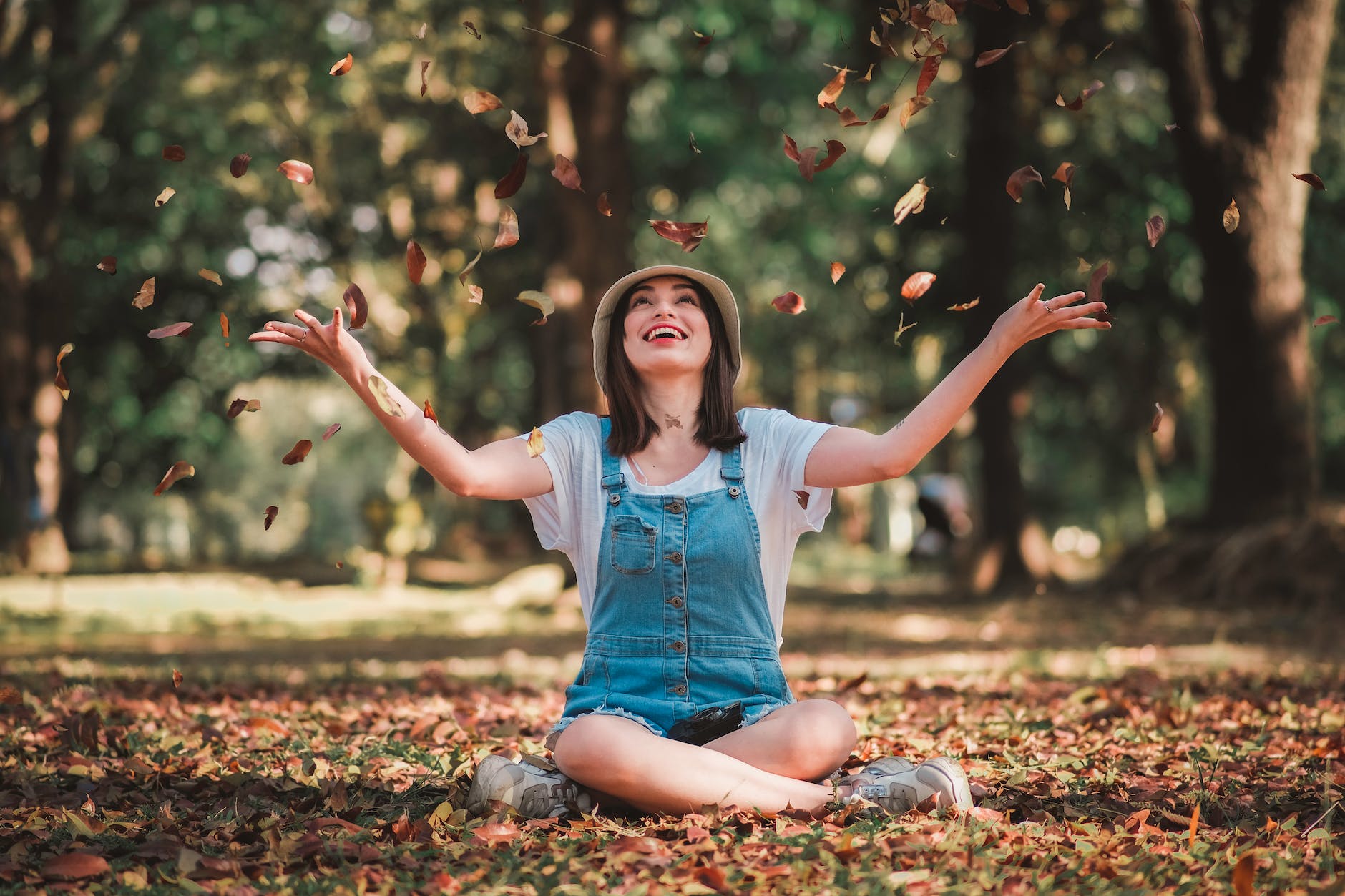
Embracing natural living is not just a passing trend, it’s a return to a simpler, healthier, and more sustainable way of life. Drawing insights from various top authors and pioneers in the field such as Thich Nhat Hanh, Wendell Berry, Michael Pollan, and Vandana Shiva, this article dives into the key aspects of living naturally.
Understanding the Principles of Natural Living
Natural living is a lifestyle choice that prioritizes holistic well-being, environmental sustainability, and a reduced dependence on artificial and processed products. Thich Nhat Hanh, a Zen Buddhist monk and mindfulness advocate, beautifully articulates this concept, stating, “The way we eat, the way we walk, the way we play, the way we live can bring us back to nature” (Hanh, 2010)[1].
Mindful Consumption
The principle of mindful consumption, advocated by Thich Nhat Hanh, promotes conscious awareness of the environmental, societal, and personal impacts of our everyday choices (Hanh, 2013)[2]. From the food we eat to the products we use, mindful consumption can significantly reduce our environmental footprint and contribute to personal well-being.
Diet and Natural Living
According to Michael Pollan, author of “In Defense of Food”, a critical aspect of natural living involves returning to whole, unprocessed foods. Pollan’s advice is famously succinct: “Eat food. Not too much. Mostly plants” (Pollan, 2008)[3]. Opting for organic produce, reducing meat intake, and steering clear of overly processed foods are integral to this approach.
Sustainable Agriculture
Wendell Berry, an environmental activist, and author emphasizes the importance of sustainable agriculture for both environmental and human health. In “The Unsettling of America”, he advocates for small-scale farming practices that respect the land and produce healthy, local food (Berry, 1977)[4].
Biodiversity and Seed Sovereignty
Environmental activist and author Vandana Shiva stresses the importance of biodiversity and seed sovereignty. She argues that saving seeds and promoting diversity in agriculture are critical steps toward sustainability, food security, and natural living (Shiva, 1993)[5].
Natural Healthcare
Embracing natural remedies and preventive healthcare is another key aspect of natural living. This involves respecting the body’s innate healing capabilities and understanding that good health is not merely the absence of disease but a state of complete physical, mental, and social well-being, as emphasized by the World Health Organization.
Chemical-Free Personal Care
Choosing personal care products free from harmful chemicals and synthetic ingredients is a critical component of a natural lifestyle. These products, often hand-made or produced in small batches, are kinder to our skin and the environment.
Conclusion
Natural living is an holistic approach that encompasses various aspects of life, including diet, healthcare, personal care, and consumer choices. As we integrate these principles into our lives, we can promote personal health, support sustainable practices, and contribute to a healthier planet.
References
[1] Hanh, Thich Nhat. (2010). The World We Have: A Buddhist Approach to Peace and Ecology. Parallax Press.
[2] Hanh, Thich Nhat. (2013). Savor: Mindful Eating, Mindful Life. HarperOne.
[3] Pollan, Michael. (2008). In Defense of Food: An Eater’s Manifesto. Penguin Books.
[4] Berry, Wendell. (1977). The Unsettling of America: Culture and Agriculture. Sierra Club Books.
[5] Shiva, Vandana. (1993). Monocultures of the Mind: Perspectives on Biodiversity and Biotechnology. Zed Books.
 TigerKinetics Health