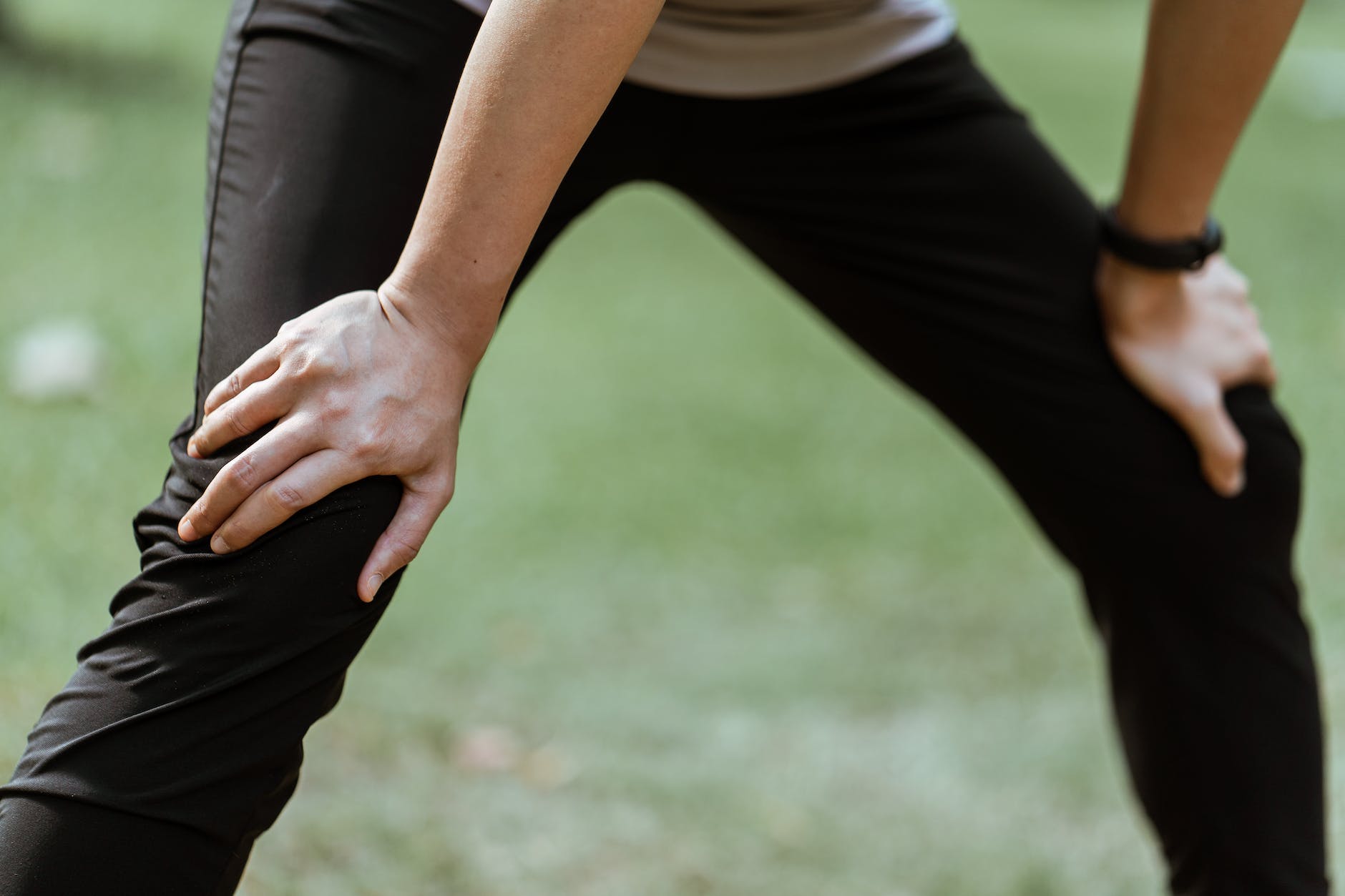
The knee is one of the most essential joints in our body, playing a crucial role in daily movements like walking, running, bending, and sitting. Maintaining knee flexibility and range of motion is vital for overall mobility and physical health. This article outlines a range of exercises designed to improve these two important aspects of knee function.
Understanding Knee Flexibility and Range of Motion
Before delving into exercises, it’s crucial to understand what knee flexibility and range of motion (ROM) mean. Flexibility refers to the ability of a muscle or tendon to lengthen, allowing one joint (or series of joints) to move through a range in a specific direction (Page et al., 2012)[1]. ROM is the full movement potential of a joint, typically its range of flexion and extension, measured in degrees (Gajdosik & Bohannon, 1987)[2].
Exercises for Improving Knee Flexibility and ROM
- Heel Slides: This exercise targets knee flexion. Lie on your back with legs straight. Slowly slide your heel towards your buttock, bending the knee as much as possible. Hold for a few seconds, then slide back to the start position (Vivekananda et al., 2015)[3].
- Quad Sets: Tighten your quadriceps (the front thigh muscle) by pushing your knee down into a towel roll. Hold for a few seconds, then release. This helps in maintaining knee extension ROM (Magee, 2014)[4].
- Hamstring Stretch: While sitting at the edge of a chair, straighten one leg in front of your body with the heel on the floor. Keeping your back straight, lean forward until you feel a stretch in the hamstring of your straightened leg (Bandy & Irion, 1994)[5].
- Calf Stretch: Stand an arm’s length from the wall. Place one foot behind the other, keeping your back heel on the ground. Lean into the wall until you feel a stretch in your back leg’s calf. This exercise helps maintain the knee’s bending and straightening ability (Page et al., 2012)[1].
- Straight Leg Raises: Lying flat on your back, bend one knee and keep your other leg straight. Lift the straight leg off the ground and hold for a few seconds. This exercise strengthens the quadriceps, supporting better knee flexibility (Magee, 2014)[4].
- Step-ups: Using a step or small platform, place one foot on the step. Press down through the heel to lift your other foot off the floor, then lower it back down. This exercise helps improve overall knee function and strength (Ratliff, 2007)[6].
Conclusion
Incorporating these exercises into a regular fitness routine can significantly improve knee flexibility and range of motion, enhancing overall mobility and reducing the risk of knee-related injuries. Always remember to warm up properly before beginning the routine and cool down afterwards.
References
[1] Page, P., Frank, C. C., & Lardner, R. (2012). Assessment and treatment of muscle imbalance: the Janda approach. Human Kinetics.
[2] Gajdosik, R. L., & Bohannon, R. W. (1987). Clinical measurement of range of motion. Review of goniometry emphasizing reliability and validity. Physical Therapy.
[3] Vivekananda, K., Taly, A. B., & Sathyaprabha, T. N. (2015). Master manipulator mobilisation (MMM) for treating adhesive capsulitis of the shoulder. Cochrane Database of Systematic Reviews.
[4] Magee, D. J. (2014). Orthopedic physical assessment. Elsevier Health Sciences.
[5] Bandy, W. D., & Irion, J. M. (1994). The effect of time on static stretch on the flexibility of the hamstring muscles. Physical Therapy.
[6] Ratliff, J. C. (2007). Knee strength after patellar tendon or semitendinosus tendon hamstring autograft treatment for anterior cruciate ligament reconstruction. The American Journal of Sports Medicine.
 TigerKinetics Health