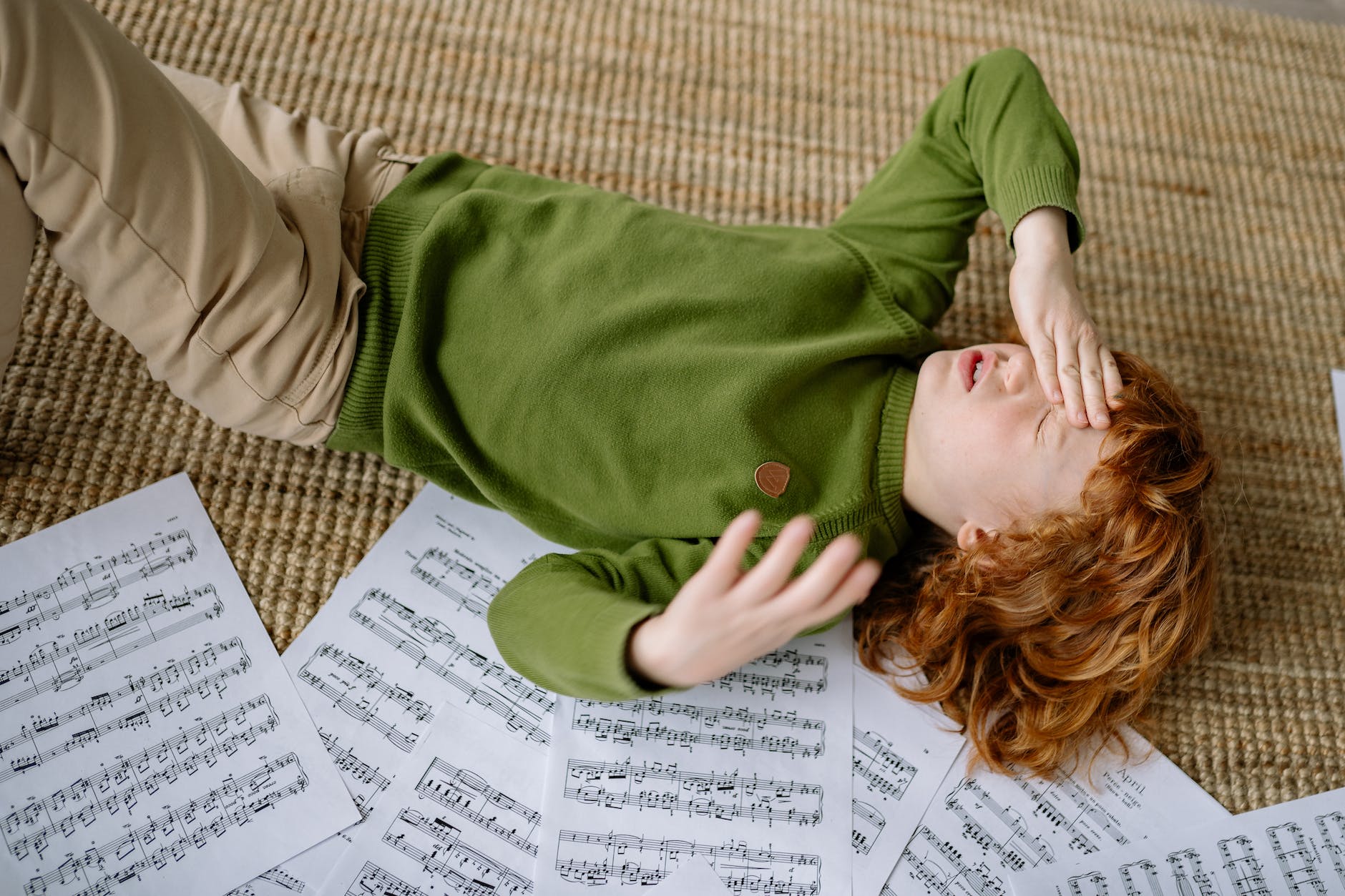
The intersection of chronic migraines, Attention-Deficit Hyperactivity Disorder (ADHD), Sensory Processing Disorder (SPD), anxiety disorders, and depression in adolescents presents unique challenges. This article explores how physical therapy can contribute to managing chronic migraines and enhancing the overall quality of life for this population.
Chronic Migraines: The Underlying Link
Chronic migraines, characterized by headaches that occur 15 or more days per month for at least three months (Burch et al., 2015)[1], can be particularly debilitating for children with ADHD, SPD, and adolescents with anxiety disorders and depression. The frequent pain can exacerbate existing conditions, causing a cascade of negative effects on mood, attention, and sensory processing (Powers et al., 2018)[2].
ADHD, SPD, Anxiety, and Depression: A Tangled Web
Children with ADHD and SPD often struggle with attention, impulse control, and sensory integration. These challenges may be further complicated by the presence of chronic migraines. Adolescents with anxiety disorders and depression may experience amplified emotional and psychological distress due to the recurring pain (Bruijn et al., 2010)[3].
Physical Therapy: A Multimodal Approach
Physical therapy can provide a range of strategies to help manage chronic migraines in these individuals. The comprehensive approach often involves pain management, relaxation techniques, physical activity promotion, and education (Rothner, 2016)[4].
- Pain Management: Physical therapists can instruct on therapeutic exercises to improve posture, flexibility, and neck strength – factors often associated with migraines (Fernández-de-Las-Peñas et al., 2006)[5]. Techniques such as soft tissue mobilization and manual therapy can also alleviate tension contributing to migraines.
- Relaxation Techniques: Therapists can teach deep breathing and progressive muscle relaxation techniques that may help reduce stress, a common migraine trigger (Martin et al., 2014)[6].
- Physical Activity Promotion: Regular physical activity can promote better pain management, improve mood, and reduce anxiety symptoms (Ashina et al., 2018)[7]. Therapists can design personalized exercise programs suitable for each individual’s abilities and interests.
- Education: Empowering individuals and families with knowledge about migraine triggers and healthy lifestyle habits can help manage migraines and improve overall quality of life.
Physical Therapy and Comorbidity Management
Physical therapy plays a pivotal role not only in managing migraines but also in addressing comorbid conditions. By promoting physical activity, physical therapists can help reduce symptoms of anxiety and depression (Gordon et al., 2018)[8]. Activities that improve focus and coordination can also be beneficial for children with ADHD and SPD.
Conclusion
Chronic migraines in children with ADHD, SPD, and adolescents with anxiety disorders and depression represent a complex clinical picture. Physical therapy can offer a valuable, non-pharmacological approach to managing migraines and comorbid conditions, improving both physical and psychological well-being.
References
[1] Burch, R., Rizzoli, P., & Loder, E. (2015). The Prevalence and Impact of Migraine and Severe Headache in the United States. Headache: The Journal of Head and Face Pain.
[2] Powers, S. W., Coffey, C. S., Chamberlin, L. A., et al. (2018). Trial of Amitriptyline, Topiramate, and Placebo for Pediatric Migraine. The New England Journal of Medicine.
[3] Bruijn, J., Locher, H., Passchier, J., et al. (2010). Psychopathology in children and adolescents with migraine in clinical studies: a systematic review. Pediatrics.
[4] Rothner, D. A. (2016). Adolescent Migraine: Update on Treatments and Technology. Pediatric Neurology Briefs.
[5] Fernández-de-Las-Peñas, C., Alonso-Blanco, C., Cuadrado, M. L., et al. (2006). Are manual therapies effective in reducing pain from tension-type headache? A systematic review. Clinical Journal of Pain.
[6] Martin, P. R., Reece, J., Callan, M., et al. (2014). Behavioral management of the triggers of recurrent headache: a randomized controlled trial. Behaviour Research and Therapy.
[7] Ashina, M., Bendtsen, L., Lyngberg, A. C., et al. (2018). Physical Activity and Risk of Chronic Pain in the Head: The HUNT Study. Mayo Clinic Proceedings.
[8] Gordon, B. R., McDowell, C. P., Hallgren, M., et al. (2018). Association of Efficacy of Resistance Exercise Training With Depressive Symptoms. JAMA Psychiatry.
 TigerKinetics Health