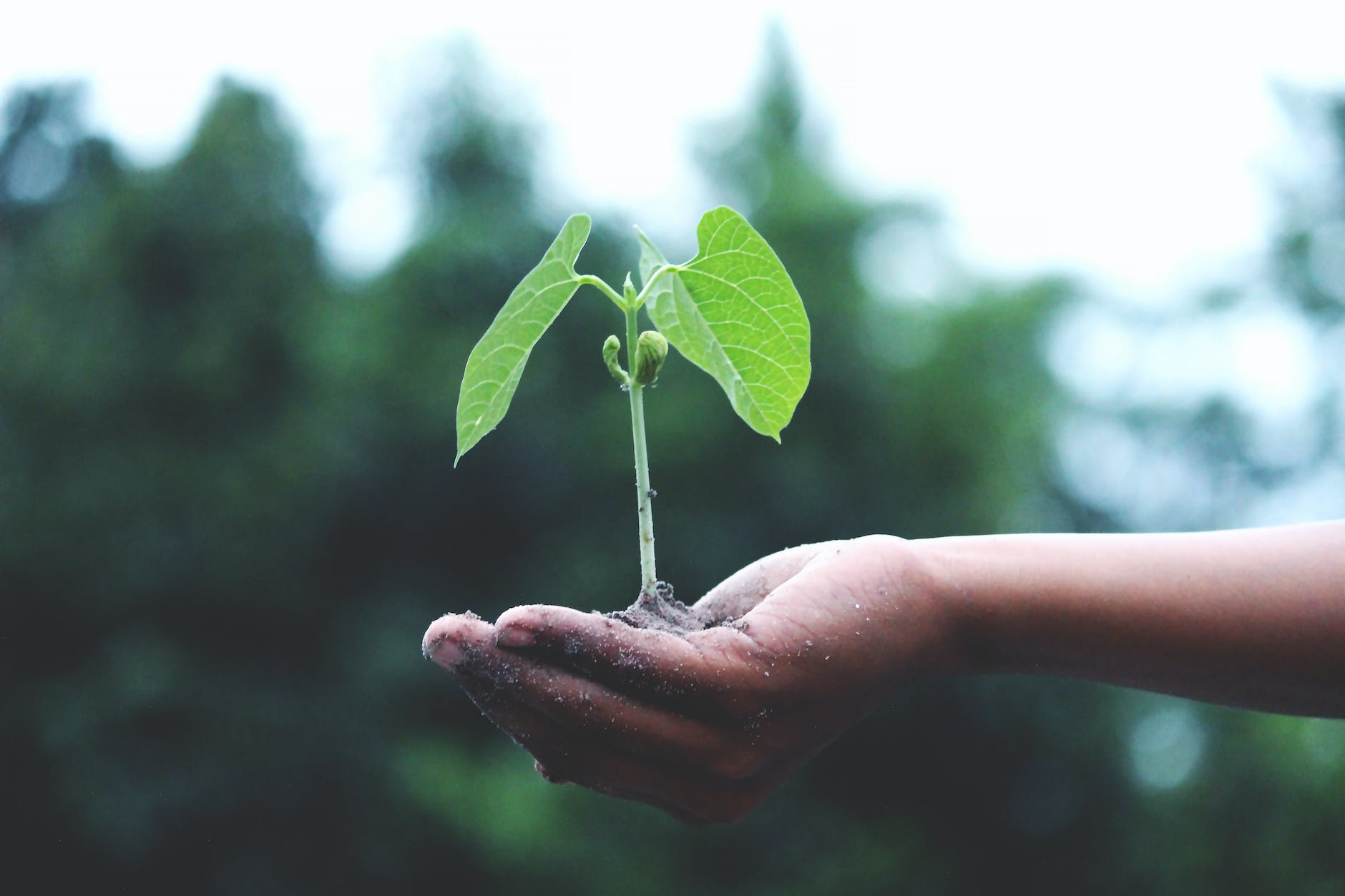
Eco-friendly living involves adopting practices that prioritize the well-being of both individuals and the environment. By incorporating sustainable habits into our daily lives, we can reduce our ecological footprint and contribute to a healthier planet. This article explores the connection between eco-friendly living and personal health, emphasizing the importance of reducing waste, using eco-friendly products, and supporting local, organic food choices.
I. Reducing Waste: Minimizing Environmental Impact
- Recycling and Composting: Engaging in recycling programs and composting organic waste significantly reduces the amount of waste sent to landfills, contributing to a cleaner environment. By separating recyclable materials and composting food scraps, we can minimize the environmental impact of waste disposal (EPA, 2021).
- Reducing Single-Use Items: Opting for reusable alternatives to single-use items, such as water bottles, shopping bags, and coffee cups, helps to decrease plastic waste. By choosing durable, eco-friendly options, we contribute to the reduction of waste in landfills and the pollution of oceans and ecosystems (UNEP, 2018).
II. Using Eco-friendly Products: Promoting Health and Sustainability
- Non-Toxic Cleaning Products: Choosing non-toxic, eco-friendly cleaning products protects both personal health and the environment. Many conventional cleaning products contain harmful chemicals that can contribute to indoor air pollution and have adverse health effects. Eco-friendly alternatives are safer for human health and minimize water pollution (Chu et al., 2017).
- Energy-efficient Appliances: Selecting energy-efficient appliances helps conserve energy and reduces greenhouse gas emissions. Energy-efficient models not only contribute to a healthier environment but also lower utility bills, promoting financial savings (EIA, 2020).
III. Supporting Local, Organic Food: Nurturing Personal and Environmental Well-being
- Organic Food Choices: Opting for organic food supports sustainable farming practices that prioritize soil health, biodiversity, and reduced pesticide use. Organic food is free from synthetic chemicals, providing individuals with nutrient-dense and chemical-free options (Crinnion, 2010).
- Supporting Local Farmers and Markets: Choosing locally sourced produce and supporting local farmers reduces the carbon footprint associated with transportation and supports the local economy. Local, seasonal foods are fresher, have higher nutrient content, and often involve fewer preservatives and packaging (Nygren et al., 2015).
IV. Benefits of Eco-friendly Living for Personal Health
- Improved Indoor Air Quality: Using eco-friendly products and reducing exposure to harmful chemicals in the home can improve indoor air quality, reducing the risk of respiratory issues and allergies (Nazaroff & Weschler, 2019).
- Enhanced Well-being: Connecting with nature through eco-friendly practices, such as gardening or spending time in green spaces, has been associated with reduced stress, improved mental health, and enhanced overall well-being (Barton & Pretty, 2010).
Conclusion
Eco-friendly living intertwines personal health and environmental well-being. By adopting sustainable practices such as reducing waste, using eco-friendly products, and supporting local, organic food choices, individuals can make a positive impact on the planet while reaping the benefits of a healthier lifestyle. Embracing eco-friendly habits creates a sustainable future and fosters a healthier world for generations to come.
References:
- Barton, J., & Pretty, J. (2010). What is the Best Dose of Nature and Green Exercise for Improving Mental Health? A Multi-Study Analysis. Environmental Science & Technology, 44(10), 3947-3955.
- Chu, C., et al. (2017). Exposure to Phthalates: Reproductive Outcome and Children Health. Environmental Science and Pollution Research International, 24(4), 3808-3819.
- Crinnion, W. J. (2010). Organic Foods Contain Higher Levels of Certain Nutrients, Lower Levels of Pesticides, and May Provide Health Benefits for the Consumer. Alternative Medicine Review, 15(1), 4-12.
- Energy Information Administration (EIA). (2020). Energy-Efficient Appliances. Retrieved from https://www.eia.gov/energyexplained/appliances-and-electronics/energy-efficient-appliances.php
- Environmental Protection Agency (EPA). (2021). Reduce, Reuse, Recycle. Retrieved from https://www.epa.gov/recycle
- Nazaroff, W. W., & Weschler, C. J. (2019). Cleaning Products and Air Fresheners: Exposure to Primary and Secondary Air Pollutants. Atmospheric Environment, 194, 152-160.
- Nygren, N., et al. (2015). Local, Organic Food Initiatives and Their Potentials for Transforming Conventional Agriculture. Ambio, 44(Suppl 2), 317-325.
- United Nations Environment Programme (UNEP). (2018). Single-use Plastics: A Roadmap for Sustainability. Retrieved from https://wedocs.unep.org/bitstream/handle/20.500.11822/25496/singleUsePlastic_sustainability.pdf
 TigerKinetics Health