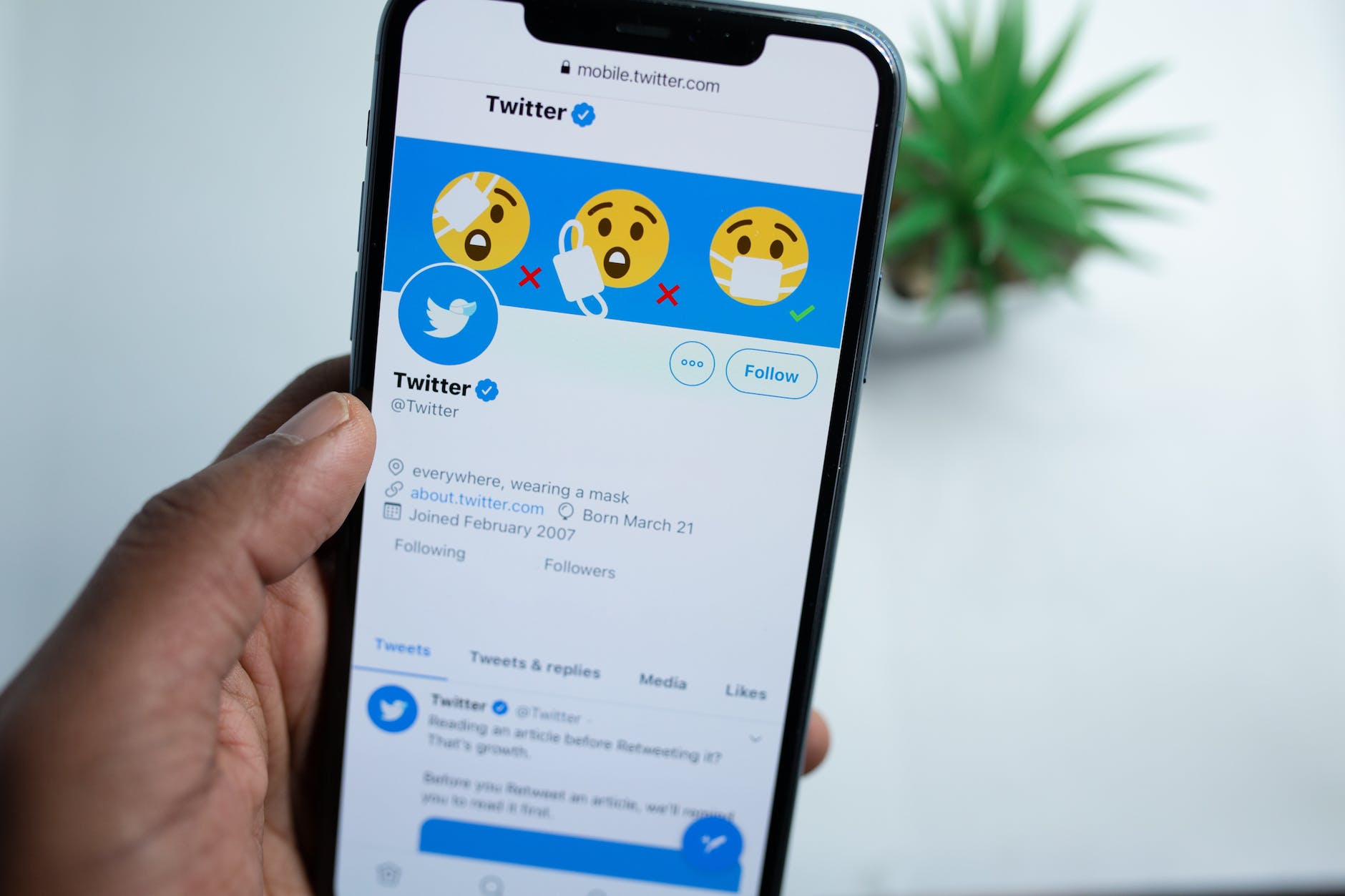
Social media has become an integral part of modern life, connecting individuals, facilitating information sharing, and providing entertainment. However, excessive use of social media can lead to addictive behaviors, negatively impacting mental health, productivity, and relationships. This article explores the phenomenon of social media addiction, its potential consequences, and practical strategies for overcoming it. By implementing these strategies, individuals can regain control over their social media usage, improve their well-being, and establish a healthier relationship with digital platforms.
I. Understanding Social Media Addiction
- Defining Social Media Addiction: Social media addiction refers to compulsive, excessive, and uncontrolled use of social networking platforms, leading to negative consequences in various areas of life. It is characterized by a loss of control, preoccupation with social media, and withdrawal symptoms when access is limited (Andreassen et al., 2012).
- Contributing Factors: Social media addiction can stem from various factors, including the need for social validation, fear of missing out (FOMO), the constant availability of social media platforms, and the design features that enhance user engagement (Lin et al., 2016).
- Potential Consequences: Excessive social media use can negatively impact mental health, self-esteem, sleep patterns, productivity, and interpersonal relationships. It may also contribute to feelings of loneliness, anxiety, and depression (Kuss & Griffiths, 2011).
II. Strategies for Overcoming Social Media Addiction
- Self-awareness and Acceptance: Recognize and acknowledge the presence of a social media addiction. Assess the impact it has on your life, emotions, and relationships. Acceptance is the first step towards change (Andreassen et al., 2016).
- Setting Clear Goals and Boundaries: Define your goals and priorities in life, and establish boundaries for social media use. Set specific time limits and designate “no-social media zones” to create space for other meaningful activities (Griffiths, 2018).
- Digital Detox: Take periodic breaks from social media to reset your mind, reduce dependence, and gain perspective. Designate specific days or weeks as social media-free periods, using that time for self-reflection, hobbies, or spending quality time with loved ones (Kuss & Lopez-Fernandez, 2016).
- Developing Alternative Coping Mechanisms: Find healthier ways to cope with stress, boredom, or negative emotions that may trigger excessive social media use. Engage in activities such as exercise, mindfulness, journaling, or pursuing creative hobbies to redirect your focus and boost well-being (Andreassen et al., 2016).
- Curating Your Social Media Environment: Evaluate and curate your social media feed to include content that inspires, educates, and uplifts you. Unfollow or mute accounts that contribute to negative emotions or excessive comparison. Surround yourself with positive influences (Lin et al., 2016).
- Accountability and Support: Share your intentions with trusted friends, family, or support groups. Engage in open conversations about your social media use and seek their support and encouragement. Consider accountability apps or setting up screen time limits on your devices (Andreassen et al., 2016).
- Practice Mindful Social Media Use: Be intentional and present when using social media. Avoid mindless scrolling and set specific intentions for each session. Engage in meaningful interactions, share valuable content, and limit passive consumption (Andreassen et al., 2016).
III. Cultivating a Balanced Digital Lifestyle
- Time Management and Productivity: Allocate dedicated time slots for social media use, ensuring it does not interfere with important tasks or commitments. Implement effective time management techniques to maximize productivity and minimize distractions (Newport, 2016).
- Focus on Real-Life Connections: Prioritize face-to-face interactions and nurture meaningful relationships offline. Engage in activities that foster personal connections and allow for genuine social interactions (Kross et al., 2013).
- Engage in Meaningful Activities: Discover and pursue activities that bring fulfillment and enhance personal growth. Develop hobbies, explore new interests, read books, participate in community activities, or volunteer to enrich your life beyond the digital realm (Kuss & Lopez-Fernandez, 2016).
- Practice Digital Mindfulness: Cultivate mindfulness in your digital interactions. Be aware of the emotions and thoughts that arise while using social media. Notice any patterns of excessive use and consciously redirect your attention to the present moment (Griffiths, 2018).
Conclusion
Overcoming social media addiction is a journey that requires self-awareness, intentionality, and a commitment to finding balance in the digital age. By implementing strategies such as self-awareness, setting clear goals and boundaries, taking digital detoxes, developing alternative coping mechanisms, curating your social media environment, seeking support, practicing mindful social media use, and cultivating a balanced digital lifestyle, individuals can reclaim control over their social media habits and lead healthier, more fulfilling lives.
References:
- Andreassen, C. S., et al. (2012). Development of a Facebook Addiction Scale. Psychological Reports, 110(2), 501-517.
- Andreassen, C. S., et al. (2016). The Relationship Between Addictive Use of Social Media, Narcissism, and Self-Esteem: Findings from a Large National Survey. Addictive Behaviors, 64, 287-293.
- Griffiths, M. D. (2018). The Psychology of Social Media Addiction. International Journal of Mental Health and Addiction, 16(4), 899-906.
- Kross, E., et al. (2013). Facebook Use Predicts Declines in Subjective Well-Being in Young Adults. PLOS ONE, 8(8), e69841.
- Kuss, D. J., & Griffiths, M. D. (2011). Online Social Networking and Addiction—A Review of the Psychological Literature. International Journal of Environmental Research and Public Health, 8(9), 3528-3552.
- Kuss, D. J., & Lopez-Fernandez, O. (2016). Internet Addiction and Problematic Internet Use: A Systematic Review of Clinical Research. World Psychiatry, 15(2), 173-175.
- Lin, L. Y., et al. (2016). The Relationship Between Online Gaming Motivation, Self-Consciousness, and Gaming Addiction. International Journal of Mental Health and Addiction, 14(5), 748-762.
- Newport, C. (2016). Deep Work: Rules for Focused Success in a Distracted World. Grand Central Publishing.
 TigerKinetics Health