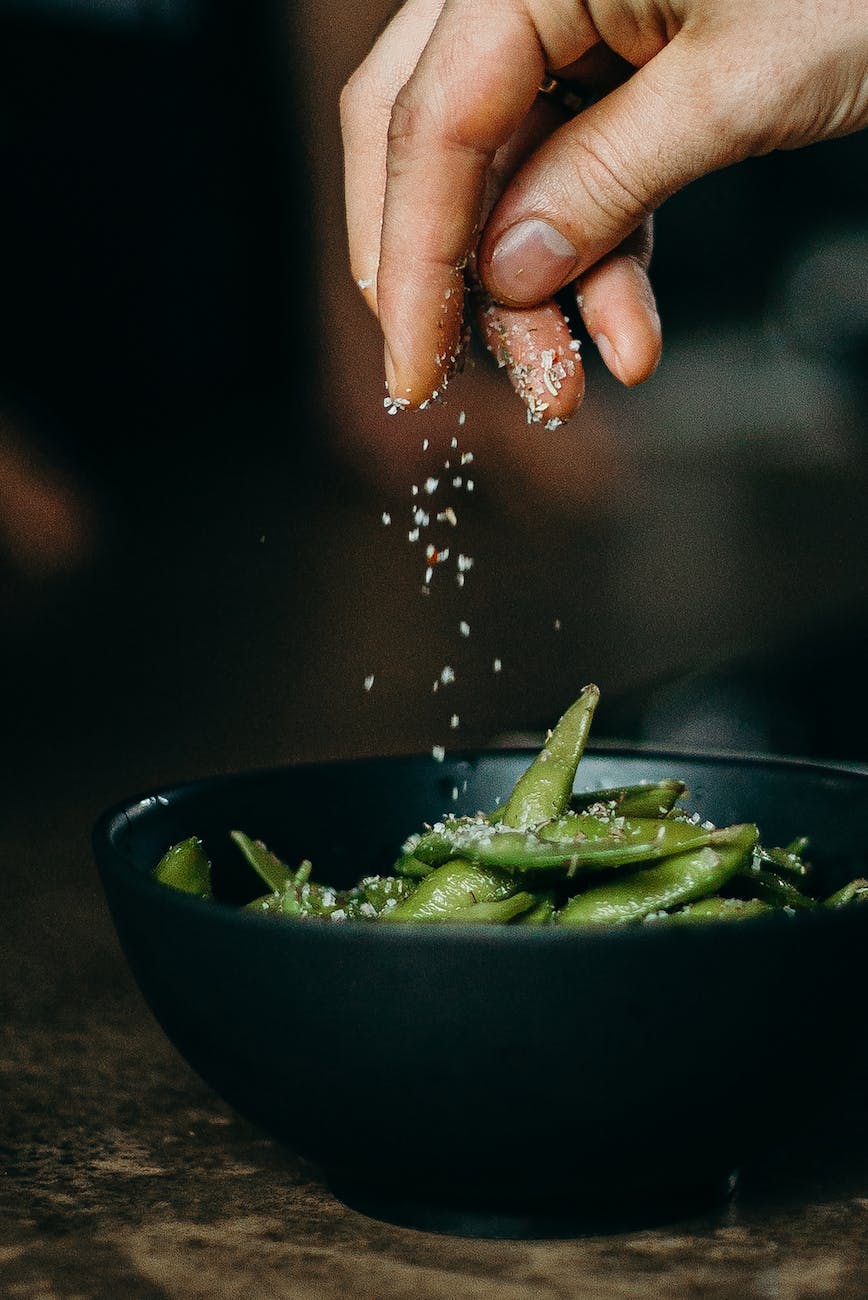
Monosodium Glutamate (MSG) is a flavor enhancer commonly used in many processed foods, restaurants, and Asian cuisine. Over the years, MSG has received mixed opinions, with some associating it with negative health effects. However, scientific research and regulatory authorities suggest that MSG is generally safe for consumption when used in moderate amounts. This article aims to explore the facts and dispel common misconceptions surrounding MSG to provide a balanced understanding of its impact on health.
I. Understanding Monosodium Glutamate (MSG)
- What is MSG?: MSG is the sodium salt of glutamic acid, an amino acid naturally found in various foods, including tomatoes, cheese, and mushrooms. It is commonly used as a flavor enhancer to impart a savory taste, known as umami, to dishes.
- Safety and Regulation: MSG has been rigorously studied and deemed safe by numerous regulatory bodies, including the U.S. Food and Drug Administration (FDA), the European Food Safety Authority (EFSA), and the Joint FAO/WHO Expert Committee on Food Additives (JECFA) (EFSA, 2017; FDA, 2018; JECFA, 2017).
II. Debunking Common Myths and Misconceptions
- MSG and Allergic Reactions: Despite popular belief, scientific studies have not conclusively linked MSG to allergic reactions. The “Chinese Restaurant Syndrome” theory, often associated with MSG, lacks scientific evidence and is attributed to other factors (FDA, 2018; Yang et al., 2019).
- MSG and Headaches: Studies examining the relationship between MSG and headaches have found no consistent evidence to support a direct causative link. Some individuals may be sensitive to high doses of MSG, but the occurrence of such reactions is rare (Obayashi et al., 2016; Yang et al., 2019).
III. Potential Benefits and Considerations
- Enhancing Flavor and Reducing Sodium: MSG can enhance the flavor of food, allowing for reduced sodium content in recipes without sacrificing taste. This can be beneficial for individuals aiming to lower their sodium intake (Williams et al., 2019).
- Cultural Significance: MSG plays a significant role in Asian cuisine, where it is commonly used to achieve umami taste profiles. Embracing the use of MSG can help appreciate and respect diverse culinary traditions (Yang et al., 2019).
IV. Individual Sensitivities and Moderation
- Individual Sensitivities: While MSG is generally safe, some individuals may experience mild, transient symptoms like headache, flushing, or sweating when consuming large amounts of MSG. These reactions are rare and usually mild (Obayashi et al., 2016).
- Moderation is Key: As with any food ingredient, moderation is important. Consuming MSG in reasonable amounts, within the acceptable daily intake limits established by regulatory authorities, is unlikely to cause adverse effects for the majority of individuals (FDA, 2018; JECFA, 2017).
Conclusion
Contrary to popular belief, scientific evidence supports the safety of monosodium glutamate (MSG) when consumed in moderate amounts. It is important to differentiate between anecdotal claims and well-founded research. MSG is a widely used flavor enhancer that can contribute to the overall taste experience of foods. Sensitivities to MSG are rare and generally mild. Embracing a balanced approach to food and maintaining a varied and nutritious diet is key for overall health and well-being.
If you have concerns or experience any adverse symptoms after consuming MSG, it is advisable to consult with a healthcare professional. Ultimately, personal preferences and individual tolerances should guide decisions regarding MSG consumption.
References:
- EFSA (European Food Safety Authority). (2017). Statement on the presence of monosodium glutamate (E 621) in food and a risk assessment for infants below 16 weeks. EFSA Journal, 15(9), e04947.
- FDA (U.S. Food and Drug Administration). (2018). Questions and Answers on Monosodium Glutamate (MSG). Retrieved from https://www.fda.gov/food/food-additives-petitions/questions-and-answers-monosodium-glutamate-msg
- JECFA (Joint FAO/WHO Expert Committee on Food Additives). (2017). Safety Evaluation of Certain Food Additives. Retrieved from http://www.fao.org/3/a-i7928e.pdf
- Obayashi, Y., et al. (2016). Safety Assessment of Monosodium Glutamate. Food Science and Technology Research, 22(5), 543-552.
- Williams, A. N., et al. (2019). Reducing Sodium in Foods: The Effect of Flavoring with MSG. Nutrients, 11(5), 1134.
- Yang, W. H., et al. (2019). Monosodium Glutamate: Review of Harmful Effects and Proposed Elimination from Pediatric Practice. World Journal of Pediatrics, 15(4), 345-357.
 TigerKinetics Health